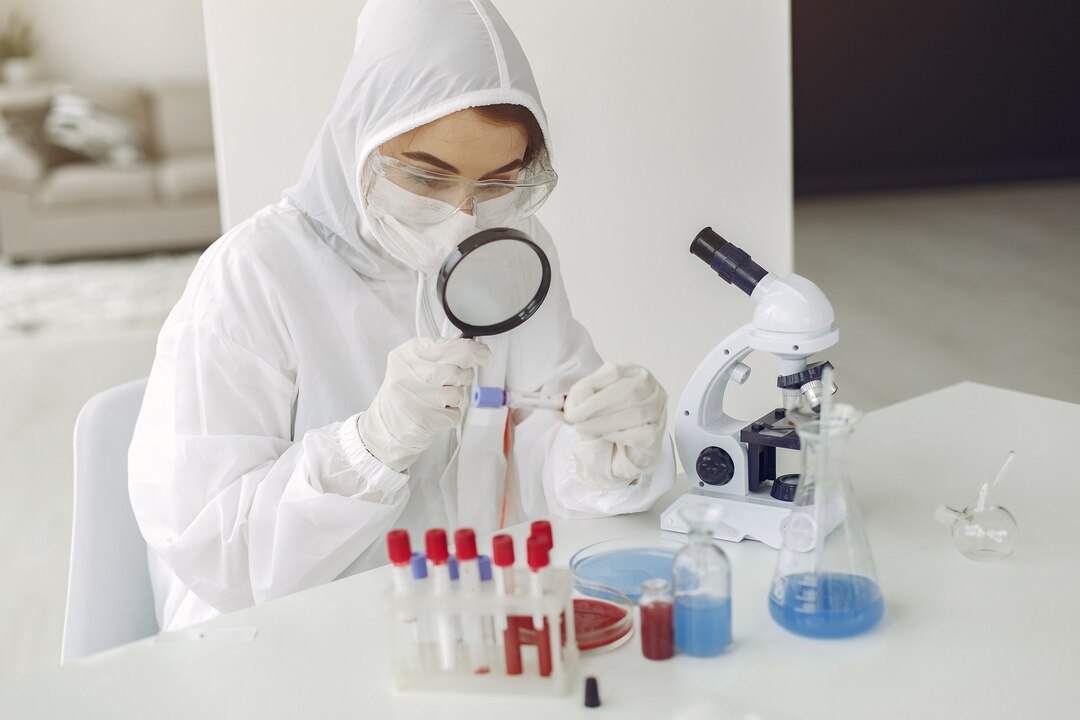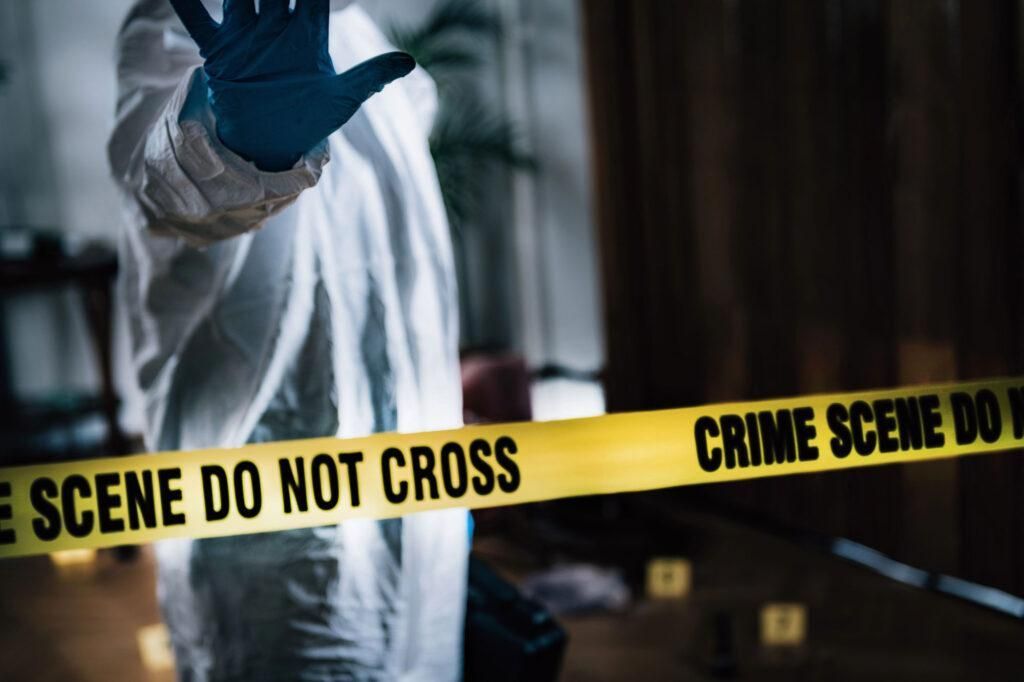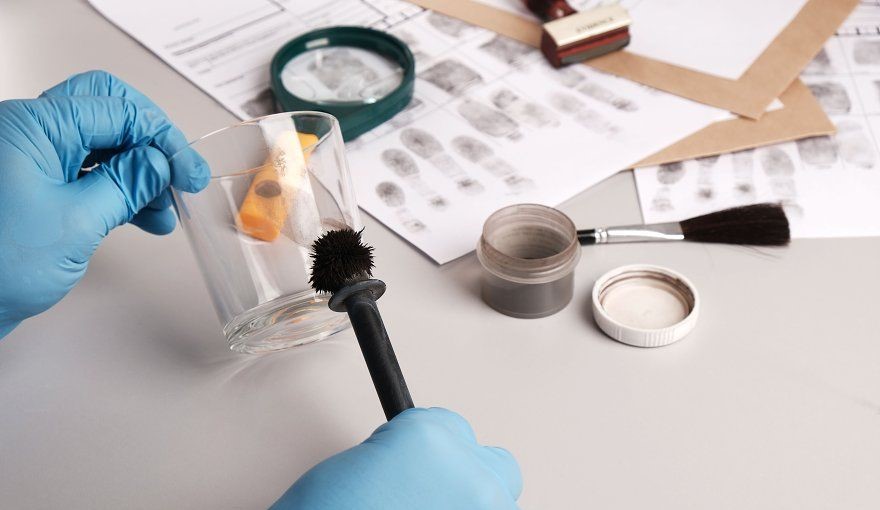
Forensic Biology applies biological principles to the investigation of criminal cases. It involves the examination of biological evidence such as blood, saliva, hair, and tissues collected from crime scenes.
This field uses laboratory techniques to establish identity, determine biological relationships, and reconstruct events. DNA profiling and serological testing are key tools in forensic biological analysis.
Forensic biology strengthens the justice system by providing objective, science-based evidence. Accurate analysis helps link suspects to crimes or exclude innocent individuals.
Advances in molecular biology and genetics continue to enhance the reliability and scope of forensic investigations worldwide.